
The Future of Building Management
Why Smart Meters are no longer optional for Kenya's commercial and residential developments
Executive Summary
Strategic Necessity
Smart meters have evolved from futuristic concept to strategic imperative for Kenyan developments in 2025, driven by regulatory mandates and market demand.
The Bottom Line
Smart meters deliver direct impact on operational costs through granular, real-time data that enables leak detection, demand management, and eliminates billing inaccuracies.
Cost Reduction
Automated meter reading eliminates labor costs and manual errors
Leak Detection
Early identification prevents major water damage and waste
Demand Management
Participation in utility demand response programs
Future-Proofing Value
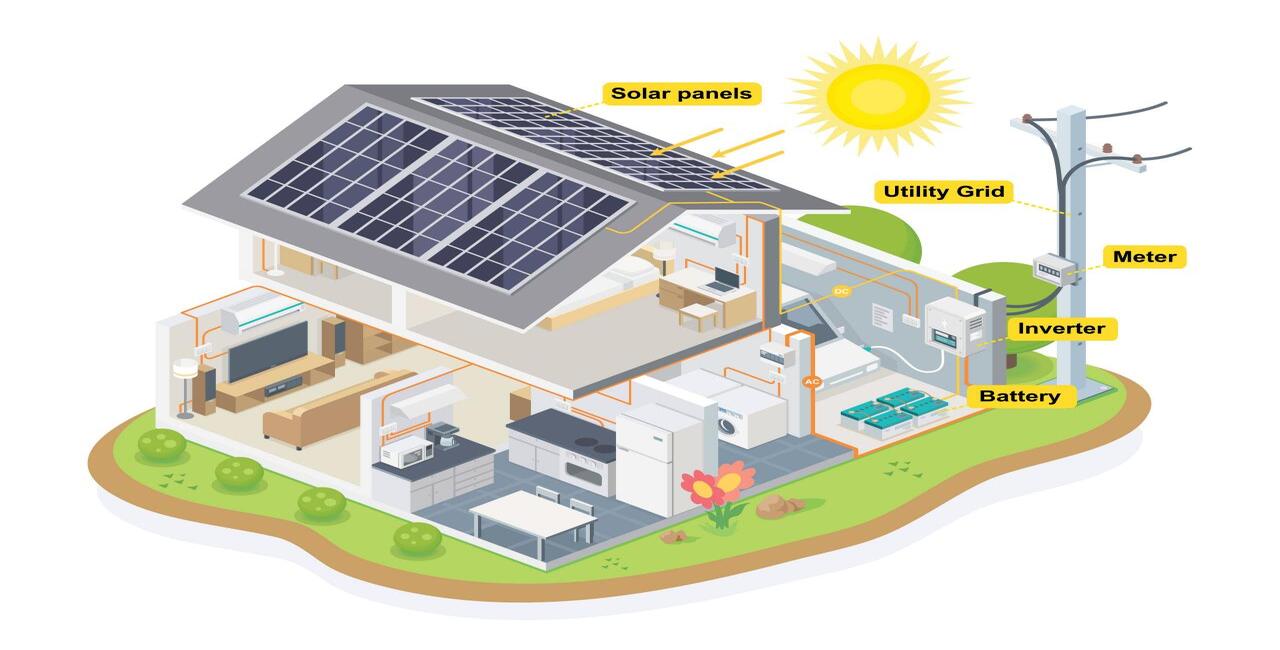
Integration ensures compliance with Energy (Net-Metering) Regulations 2024 and positions properties for green building certification, enhancing market appeal to environmentally conscious tenants.
The Regulatory Landscape in Kenya (2025)
Energy Smart Meters
Mandatory for Renewables
Energy (Net-Metering) Regulations 2024 mandate smart meters for all on-site renewable energy systems under 1MW capacity. 521
Key Requirements:
- Bi-directional measurement capability
- Time-of-use (TOU) metering support
- Two-way communication functionality
- Consumer-funded installation and commissioning
Timeline: 6 Months
Consumers have six months from agreement date to complete installation and commissioning 798
Kenya's Smart Meter Regulatory Framework
Demystifying Smart Meter Technology
Sensors
High-precision measurement of flow or current
Processor
Microcontroller for data calculation and storage
Communication
Two-way data transmission to utility systems
From Analog to Digital
AMR (Automated Meter Reading)
One-way communication for drive-by readings
AMI (Advanced Metering Infrastructure)
Two-way communication for real-time data and control
Real-Time Operation Cycle
- 1. Continuous sensor measurement
- 2. Digital signal processing
- 3. Time-stamped data storage
- 4. Automated transmission
- 5. Utility system integration

Advantages for Commercial & Residential Spaces
For Developers & Property Managers
Accurate Billing
100% accurate real-time data eliminates estimated billing disputes
Leak Detection
Proactive alerts prevent costly water damage and waste
Demand Response
Participation in utility programs for cost savings
Property Value Enhancement
Smart buildings attract premium tenants and achieve green certification
For MEP Engineers & Architects
Simplified Design
Centralized digital platform eliminates complex sub-metering
Data-Driven Optimization
Real-world performance data for system fine-tuning
Smart Integration
Seamless BMS integration and smart home compatibility
Aesthetic & Space Benefits
Compact, modular designs with DIN-rail mounting for cleaner installations
Return on Investment Analysis
Immediate Savings
- • Eliminate manual reading costs
- • Reduce billing disputes
- • Prevent water damage
Operational Efficiency
- • Real-time monitoring
- • Automated alerts
- • Demand response income
Long-term Value
- • Enhanced property value
- • Green certification
- • Future-proof compliance
The Kenyan Market: Key Players & Initiatives
Energy Sector
Kenya Power (KPLC)
55,000 smart meters deployed for SME customers
Phased rollout to improve billing accuracy and reduce losses
Game-changing technology for customer satisfaction
CHINT Global
400,000 meters/year production capacity
Local manufacturing facility in Nairobi
Models: CHD130, CHS120, CHS320
30-40% localization target
Water Sector
Nairobi Water (NWSC)
Phased rollout plan to combat Non-Revenue Water
Addressing meter access challenges
Cost-benefit analysis: Ksh. 15,000 vs Ksh. 3,500
LAISON Technology
Advanced digital water management solutions
Prepayment functionality and AMR/AMI systems
Unauthorized usage detection and leak detection
Market Momentum
The convergence of utility-led rollouts, local manufacturing, and regulatory mandates has created an unprecedented acceleration in smart meter adoption across Kenya's building sector.
The Time to Act is Now
Inevitable Shift
Smart metering is an irreversible trend driven by regulation and market demand
Competitive Edge
Early adoption positions your projects as modern, efficient, and future-proof
Industry Call
Collaborative adoption builds Kenya's smarter, sustainable future
A Call to Action for Industry Professionals
Developers: Factor smart meter costs into budgets and ensure seamless integration from design phase
MEP Engineers: Deepen technical understanding to specify systems that maximize potential
Architects: Design for smart technology integration and sustainability certification
Property Managers: Prepare to leverage real-time data for operational optimization